4 min read
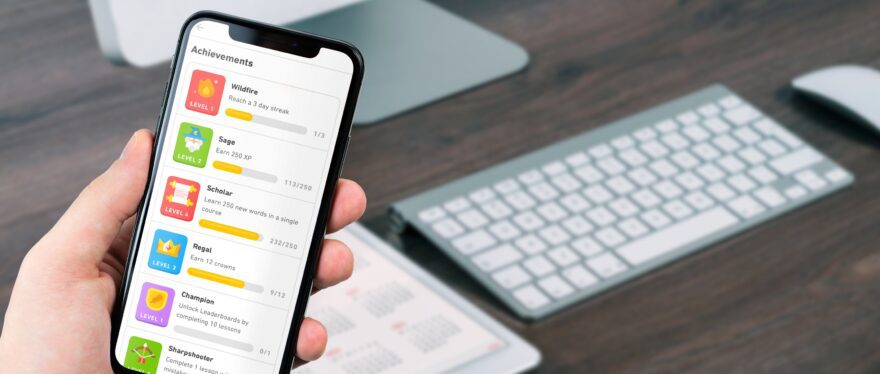
3 Reasons to Use Digital Badges in UX
More and more, companies are seeking creative ways to get customers engaged with their proposition, and critically, keep them coming back for more. In the world of UX, there is…

Vulnerable customers are at a higher risk of harm when interacting with businesses, particularly when organisations fail to recognise their needs or provide appropriate support.
Customers may be experiencing financial hardship, disability, mental health challenges, or difficult life circumstances. These situations can make it harder to navigate complex services and communicate effectively with organisations.
Phoenix Group had already made strong commitments to supporting vulnerable customers. However, they wanted to go further by ensuring their colleagues had the skills and confidence to recognise vulnerability and respond with empathy.
To support this ambition, Phoenix partnered with Samaritans, the UK’s leading suicide prevention charity, which provides 24/7 emotional support to people in distress.
Together, they asked:
How can employees actively listen to customers and colleagues in order to deliver better outcomes for vulnerable people?
When conversations feel uncomfortable, people default to fixing the problem instead of hearing the person.
Cowry collaborated with Phoenix, Samaritans and learning specialists to design a behavioural training experience that would help employees understand vulnerability and develop more empathetic conversations.
The programme was delivered within just over three months, from concept to launch.
Our work identified three behavioural challenges preventing effective support for vulnerable customers.
What we observed
Employees often believe they are being helpful, even when their responses fail to support vulnerable customers.
Why it happens
People struggle to fully understand the emotional and cognitive experiences of others, particularly when those experiences differ from their own.
What it means
Training must help employees experience vulnerability from the customer’s perspective to build genuine empathy.
What we observed
Employees often jump quickly to solutions rather than actively listening.
Why it happens
In professional settings, people are trained to solve problems quickly rather than create space for emotional conversations.
What it means
Training must reinforce the importance of active listening before action.
What we observed
Many forms of vulnerability are not immediately visible.
Why it happens
Customers may not explicitly disclose their circumstances, meaning employees must identify subtle cues during conversations.
What it means
Employees need practical frameworks and tools to recognise vulnerability and respond appropriately.
Cowry designed an immersive e-learning programme that helped employees understand vulnerability and develop stronger listening skills.
The training combined expertise from three partners:
The course used storytelling and interactive scenarios to demonstrate how conversations with vulnerable individuals can unfold. Inspired by the concept behind the film Inside Out, the training explored the gap between what people say and what they are actually feeling.
Two interactive scenarios were developed:
These scenarios illustrated how poor listening can lead to misunderstandings and negative outcomes.
Three behavioural science techniques shaped the learning experience.
The training programme delivered strong outcomes across Phoenix’s workforce. Feedback from participants highlighted the impact of the programme on how colleagues approach conversations with vulnerable customers.
The programme was also recognised externally, winning the Financial Services Forum Award for Innovation & Transformation 2023.
of colleagues reported greater understanding of vulnerability
felt better equipped to handle difficult conversations
reported improved listening skills
of the Financial Services Forum Award for Innovation & Transformation
The training moved beyond traditional learning approaches by focusing on behavioural experience rather than information.
By helping employees experience vulnerability, understand emotional drivers, and practise active listening, the programme enabled Phoenix to build a more empathetic customer culture.
More and more, companies are seeking creative ways to get customers engaged with their proposition, and critically, keep them coming back for more. In the world of UX, there is…

50% of our cortex is dedicated to visual processing So although how we talk about products and services to customers is important, how we take in information is equally important. As…
Bigger, Better and Bolder. But what does ‘bolder’ really mean for the Cowry Global Summer School 2021? Earlier this year, we pledged to increase diversity and inclusion in the summer…